Innovations by the Faculty in Teaching and Learning
The faculty members continuously adopt student-centric and technology-enabled teaching-learning practices to enhance conceptual understanding, practical skills and lifelong learning among students.
ICT Enabled Teaching–Learning
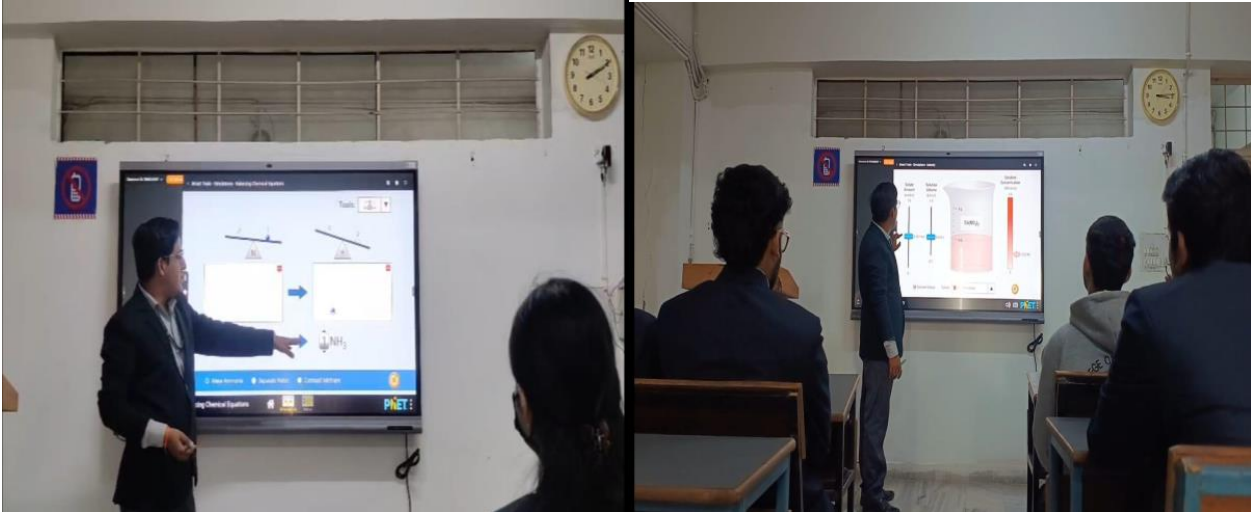
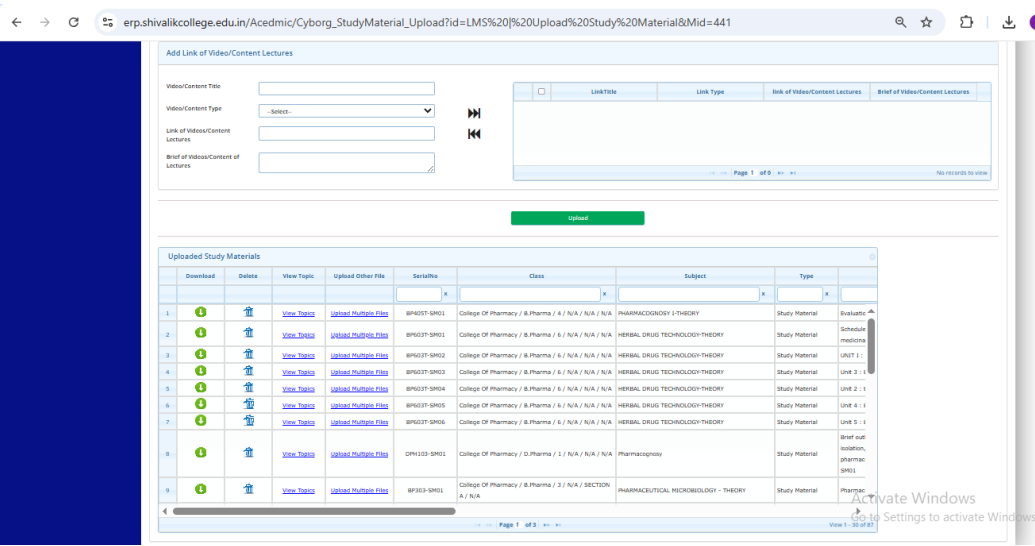
Smart boards are actively used by faculty members to deliver interactive lectures through videos, animations, 3D molecular models, and real-time explanations. Faculty members record and upload smart board lecture videos, digital notes, and topic-wise learning links on the college ERP system under Learning Management System (LMS), allowing students to revisit the content anytime and facilitating blended learning.
Smart Classrooms
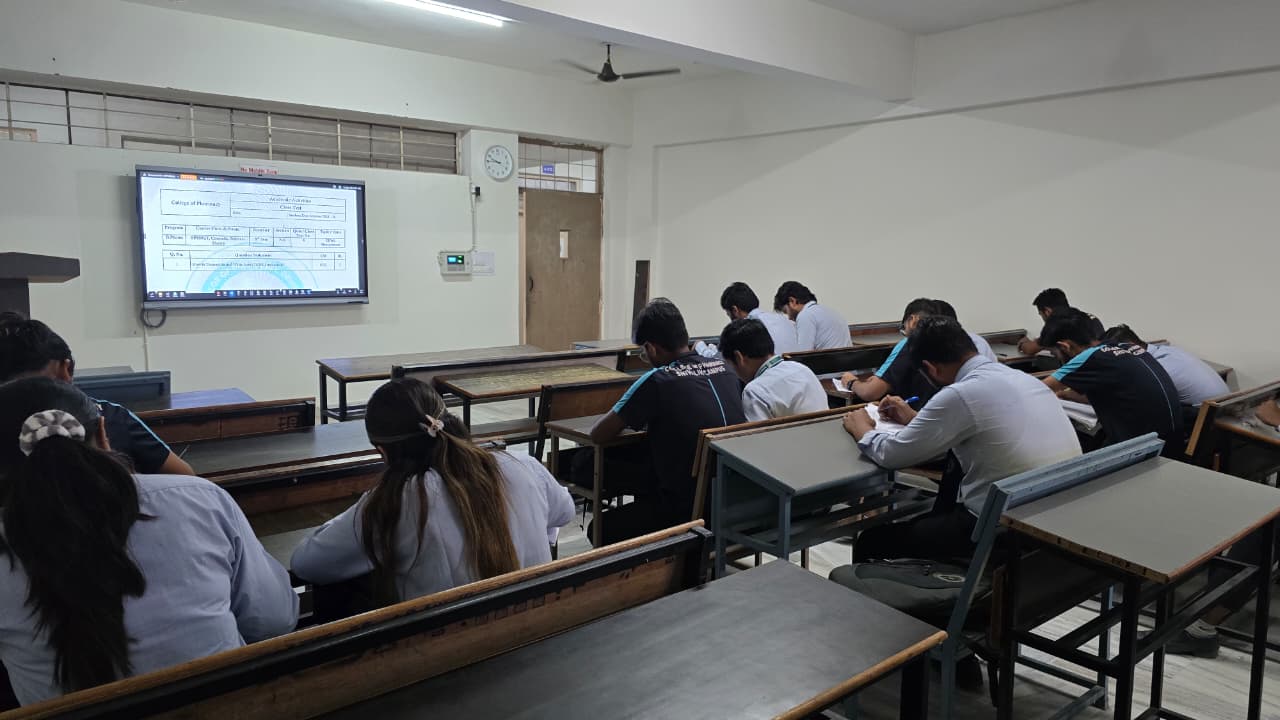
All Classrooms are equipped with projectors/ interactive panel to enhance teaching effectiveness. Faculty use multimedia presentations, animations, and simulations to simplify complex concepts.
Project-Based Learning (PBL)
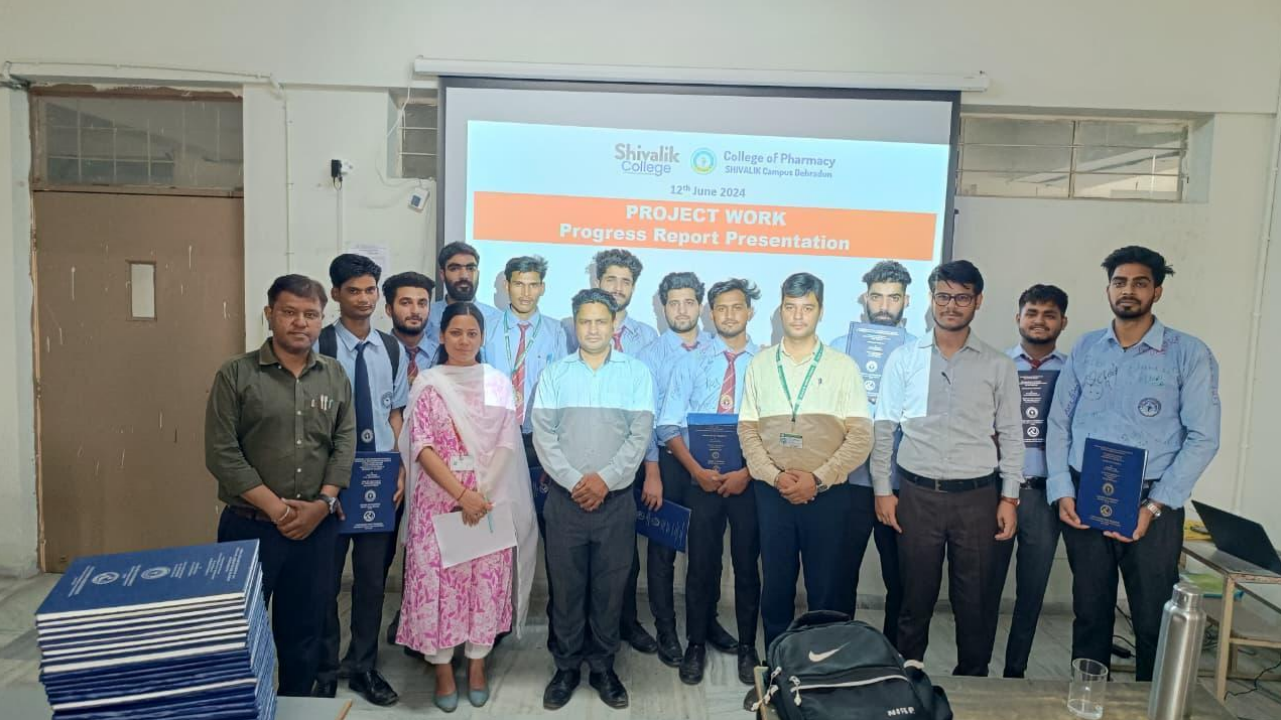
Students engage in real-world projects that foster critical thinking and innovation. Working on industry-related challenges helps them develop problem-solving skills, teamwork, and technical expertise.
Industry Oriented Expert Lectures / Hands-on Training
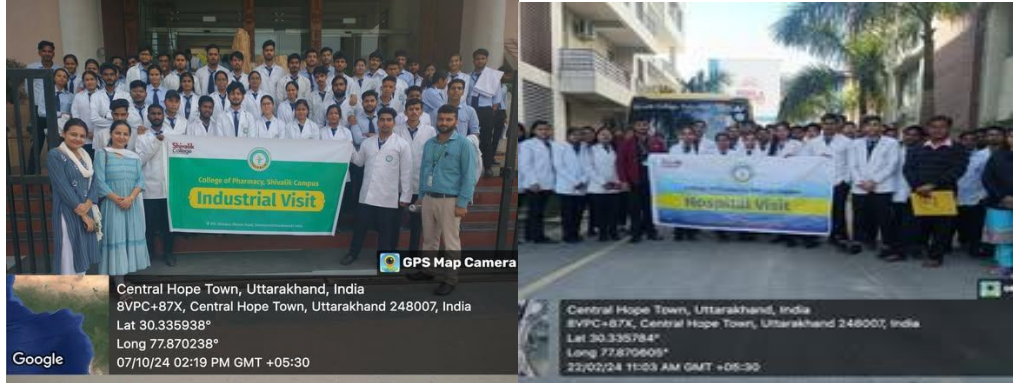
The department organizes industry oriented- expert lectures, hands-on training programs, and sessions throughout the year to expose students to the latest technologies and current industry trends. These initiatives help bridge the gap between theoretical knowledge and practical application, enhancing students' professional skills and industrial readiness.
Flipped Classes
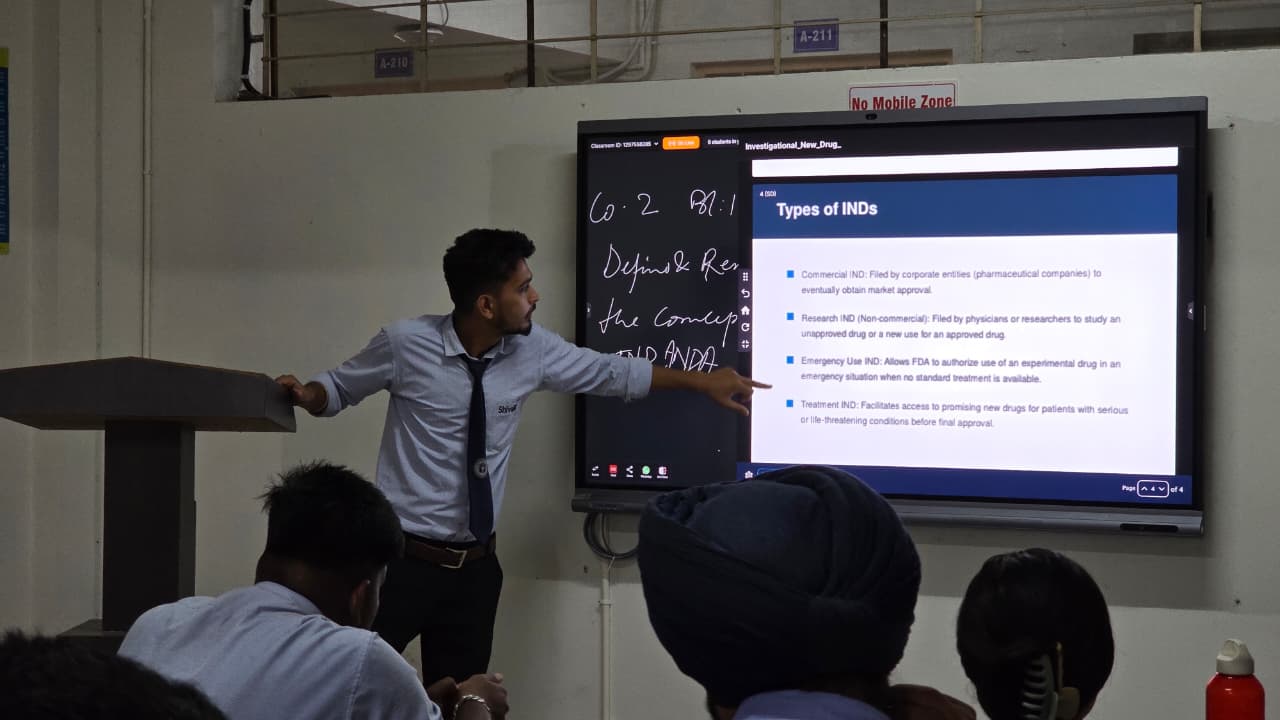
Students prepare assigned syllabus topics in advance using prescribed study materials and actively deliver and discuss the content during class sessions, while faculty facilitate and guide the learning process. Classroom time is utilized for interactive discussions, problem- solving, peer learning, and clarification to reinforce conceptual understanding.
Online Learning Platforms
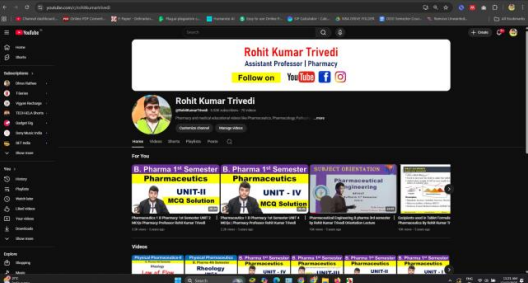
Youtube Channel Link: www.youtube.com/@RohitKumarTrivedi
Students are encouraged to enroll in courses on online learning platforms. These resources support self-paced learning and skill enhancement beyond the curriculum.
Research Activity & Paper Writing
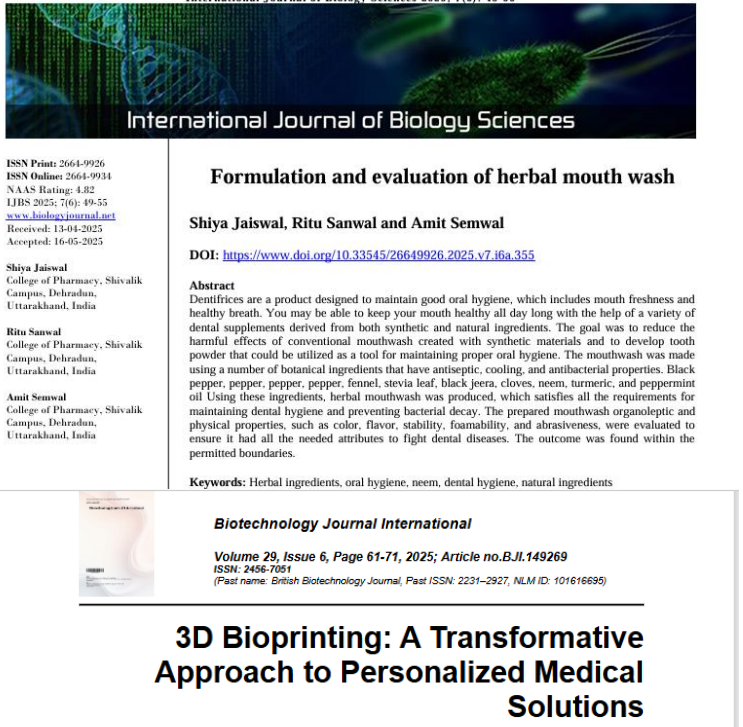
Students are encouraged to participate in research activities and publish papers in reputed peer reviewed journals. This fosters an innovative mindset.
Development of PPTs & E-Content
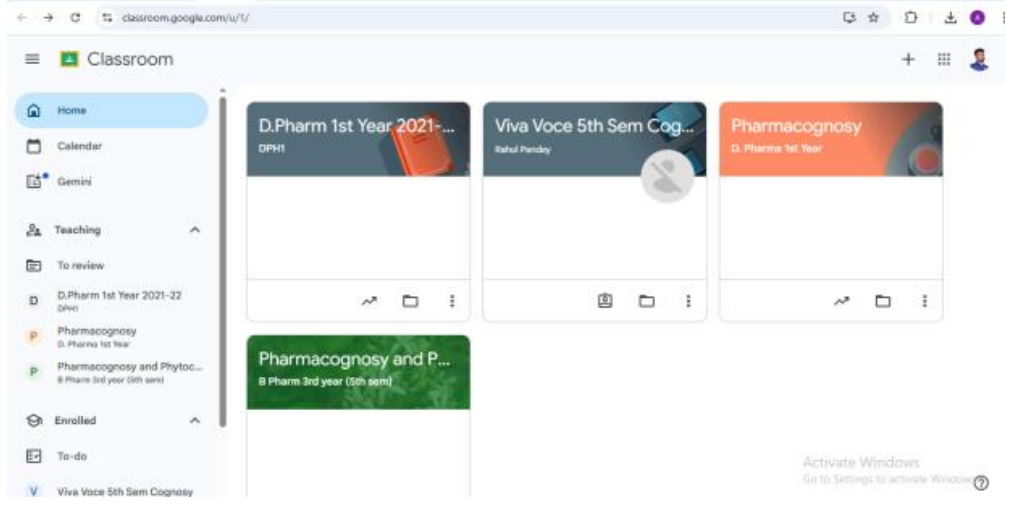
Faculty members have developed subject-wise PPTs and digital study materials aligned with the syllabus and respective subjects. These materials are shared through LMS platforms such as ERP and Google Classroom, enabling easy access to structured study material, improving student understanding, and enhancing preparedness for examinations and competitive assessments.
Soft Skills & Communication Training
The department conducts special sessions for all students on personality development programs (PDP), public speaking & communication skills, and resume building. These sessions are designed to enhance student's overall professional competence, which are essential for career success.
Expert Guest Lectures
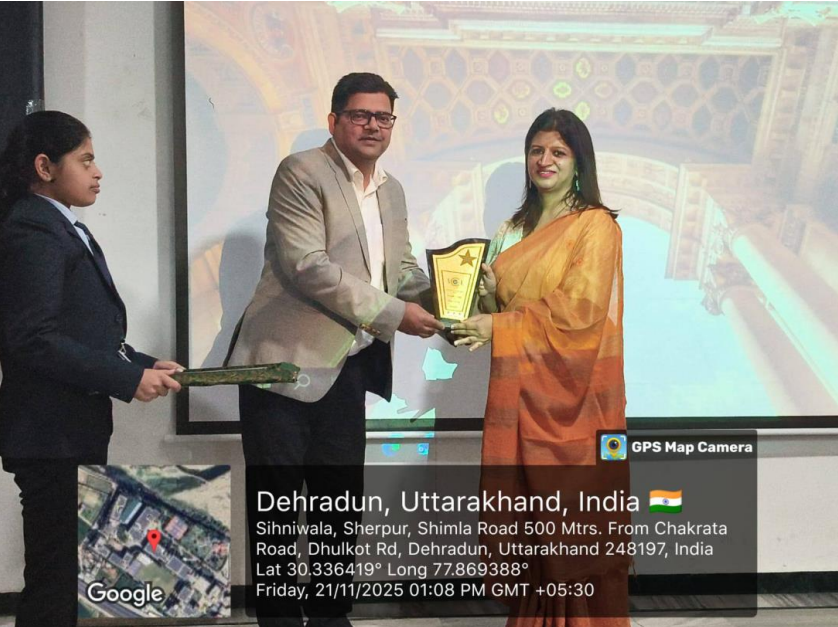
Faculty members organize expert guest lectures to bridge the gap between theory and practical in relevance to their respective courses.
Google Classroom & Recorded Video Lectures
Faculty members have created Google Classrooms and Recorded Video Lecture as innovative teaching practices.
ERP-Based Learning Management System
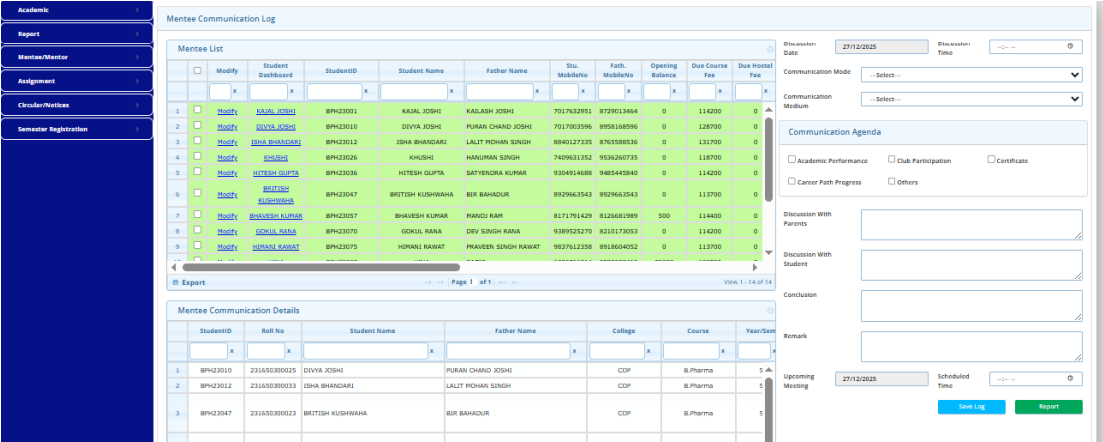
The College follows an ERP-enabled Learning Management System accessible to all admitted students. Through the ERP-LMS, students can access lecture notes, e-content, assignments, question banks, previous years' question papers, attendance, and related academic information. This system ensures continuity of learning, transparency, and effective academic monitoring.
Field Trips, Hospital & Industrial Visits
Faculty members regularly organize field trips, hospital visits, and industrial visits to herbal gardens/ research centers, hospitals, and pharmaceutical industries/ quality control laboratories. These visits help minimize the academia–industry gap and provide real-world exposure, thereby enhancing students' learning competence.
Student Mentoring System
As per College policy, faculty members act as mentors, guiding students in academics, career planning, and personal development. Periodic mentoring sessions help address students' challenges and foster their overall growth.
Case-Based Learning for Drug Interaction
Under the Pharmacy Practice course, innovative teaching–learning methods were adopted to enhance students' clinical understanding and practical skills. Drug Interaction Case Studies were incorporated as an active learning strategy. In this approach, real-world and simulated patient case scenarios involving drug–drug interactions were discussed in the classroom. Students were divided into small groups and provided with prescriptions or clinical cases containing potential or confirmed drug interactions. Each group was required to identify the interacting drugs, explain the mechanism of interaction, assess the clinical significance, and suggest appropriate management strategies such as dose adjustment, alternative therapy, or monitoring parameters.
This case-based learning method encouraged critical thinking, clinical reasoning, and problem-solving skills among students. It also helped bridge the gap between theoretical knowledge and practical application in pharmacy practice. Students actively participated in discussions, presentations, and peer learning, which improved their communication skills and confidence in handling real clinical situations.
Spectrum-Based Learning (UV–Visible & IR)
To enhance conceptual clarity and analytical skills of students, an innovative teaching– learning approach was implemented in the Instrumental Method in Analysis/ Advanced Analytical Techniques through graphical and spectral interpretation of UV–Visible spectroscopy and Infrared (IR) spectroscopy data. Instead of limiting learning to theoretical principles, students were exposed to real and simulated spectra for hands-on interpretation. In this method, students were provided with UV–Visible absorption spectra and IR spectra of various pharmaceutical compounds. They were guided to interpret key spectral features such as λmax, electronic transitions, characteristic absorption bands, functional group frequencies, peak intensity, and fingerprint regions. Students analyzed spectra to correlate structural and functional group information with observed spectral data.
Classroom discussions, problem-solving sessions, and spectrum-based exercises were conducted to promote active learning. Students worked individually and in small groups to interpret spectra and present their findings, which improved their analytical reasoning, data interpretation ability, and understanding of advanced instrumental techniques. This innovative spectrum-based learning approach helped bridge the gap between theoretical knowledge and practical application, strengthened outcome-based education, and better prepared students for research, quality control, and analytical roles in the pharmaceutical industry.
CO-Based Continuous Internal Assessment
Throughout the semester, CO-based Continuous Internal Assessment (CIA) is implemented through a variety of assessment methods to ensure systematic evaluation of students' learning outcomes. Assignments are given periodically to assess students' understanding of theoretical concepts, analytical ability, and application of knowledge, with each assignment mapped to specific Course Outcomes (COs). Class tests are conducted at regular intervals to evaluate students' conceptual clarity and retention of subject matter, and the questions are designed to measure the attainment of relevant COs. Tutorials are organised to promote interactive learning, problem-solving skills, and active student participation, enabling continuous monitoring of progress and timely academic support. In addition, sessional/internal examinations are conducted during the semester to comprehensively assess students' overall performance, higher-order thinking skills, and depth of understanding in alignment with the defined COs. The performance data obtained from all these assessment tools are analysed CO-wise to determine the level of attainment, identify learning gaps, and implement corrective measures such as remedial classes or additional academic support, thereby ensuring effective teaching–learning throughout the semester.
Plagiarism Detection for Ethical Writing
Standard plagiarism software is used to analyse each project report/work to ensure that the content is legitimate, sources are properly cited, and ethical research methods are followed. To evaluate resemblance levels, paraphrasing quality, and reference correctness, the plagiarism report is thoroughly examined. Students are guided to edit and enhance their work as needed based on the findings, which improves their comprehension of ethical writing and research standards. This procedure guarantees openness, encourages creativity, and enhances the general caliber of project work while coordinating the assessment with institutional policies.
Value Added Courses (VAC)
Value Added Courses (VAC) are offered to provide students with additional knowledge and skills beyond the prescribed syllabus. These courses are designed to enhance professional competence, practical exposure, and industry relevance in pharmacy education. The session-wise list of VACs conducted during the academic year is provided below.
| S. No | Course Name | Code | Semester |
|---|---|---|---|
| 1 | Biomedical, Hazardous and e-Waste Management | VACBP002 | 2nd |
| 2 | Gender Sensitization | VACBP004 | 4th |
| 3 | Industrial Applications of QA/QC | VACBP006 | 6th |
| 4 | Leadership Skills | VACBP008 | 8th |
| S. No | Course Name | Code | Semester |
|---|---|---|---|
| 1 | Biomedical, Hazardous and e-Waste Management | VACBP002 | 2nd |
| 2 | Gender Sensitization | VACBP004 | 4th |
| 3 | Industrial Applications of QA/QC | VACBP006 | 6th |
| 4 | Leadership Skills | VACBP008 | 8th |
| S. No | Course Name | Code | Semester |
|---|---|---|---|
| 1 | Basic Nutrition, Food and Diabetes | VACBP003 | 3rd |
| 2 | Lifestyle Health Management | VACBP005 | 5th |
| 3 | Recent Trends in Clinical Microbiology | VACBP007 | 7th |
VAC Courses Offered
In Pharmaceutics, different pharmaceutical dosage forms such as tablets, capsules, syrups, suspensions, and topical preparations are brought to the classroom for demonstration to enhance students' understanding of formulation concepts. This activity helps student's correlate theoretical principles with marketed pharmaceutical products. Similarly, in Pharmacognosy, various crude drugs and herbal raw materials are brought to the class for visual and tactile observation. Students learn to identify drugs based on their morphological characters, source, and distinguishing features, which improves their practical knowledge and recognition skills. This hands-on teaching–learning approach increases student engagement, strengthens conceptual clarity, and effectively bridges theory with practical application in pharmacy education.
Classroom Demonstration of Dosage Forms & Crude Drugs
Hands-on demonstration of tablets, capsules, syrups and crude drugs improves practical knowledge and correlation with theory.
Simulation Models & Digital Tools
Faculty members integrate advanced digital tools and simulation software such as ADMET software, CADD tools, ChemDraw, ChemSketch, and pharmacology simulation models to demonstrate drug discovery processes, molecular interactions, and experimental pharmacology concepts. Standard operating procedures (SOPs), user manuals, and demonstration videos are shared through ERP-LMS and Google Classroom, enabling replication and further academic exploration by students.
| S. No. | Resources | Applications |
|---|---|---|
| 1 | ADMET Software | Prediction of ADMET properties |
| 2 | CADD Tools | Molecular docking & lead optimization |
| 3 | ChemDraw | Chemical structure drawing |
| 4 | ChemSketch | 2D/3D visualization |
| 5 | GraphPad | Statistical analysis |
| 6 | Ex-Pharm Software | Dose–response & pharmacokinetic simulations |